


What Size Greenhouse Should You Buy? (Avoid This Costly Mistake)

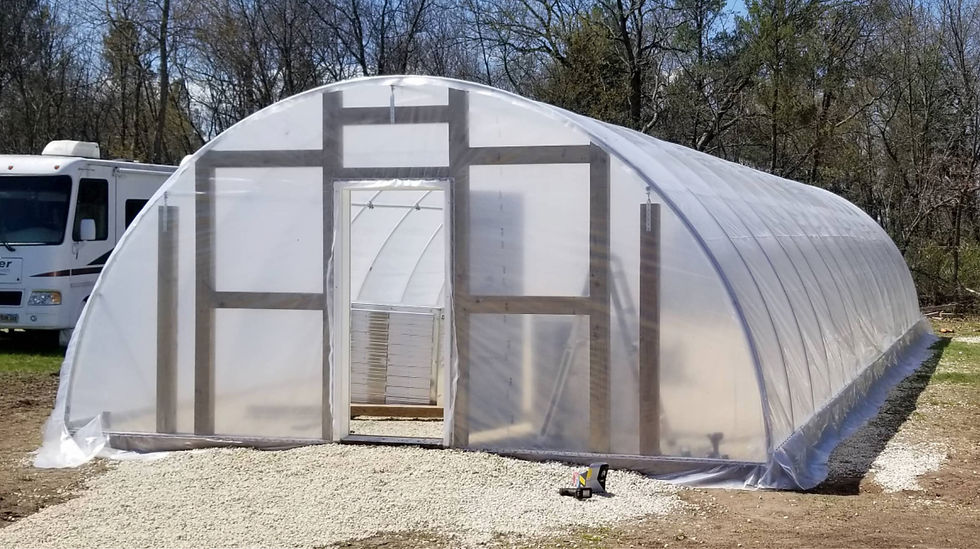
If you’re trying to decide what size greenhouse to buy, you’re not alone.
This is one of the most common questions I get—and honestly, it’s one of the most important decisions you’ll make.
Because here’s the truth:
Most people don’t regret buying a greenhouse…But a lot of people regret buying the wrong size.
And in almost every case, the regret goes one direction.
They wish they had gone bigger.
Why Choosing the Right Size Matters
When you’re first starting out, it’s easy to think:
“I’ll just start small”
“I don’t want to overspend”
“I can always upgrade later”
And while that sounds reasonable, what I see time and time again is this:
People outgrow their greenhouse faster than they expected.
What starts as a small project quickly turns into:
More crops
More ideas
More demand
And suddenly, space becomes the biggest limitation.
The Most Common Mistake: Going Too Small
If there’s one mistake I’d tell you to avoid, it’s this.
Going too small.
I’ve had countless conversations with growers who said:“I wish I had just gone bigger from the start.”
Why?
Because:
You run out of growing space
You can’t rotate crops as easily
Your layout becomes cramped
Expansion becomes more expensive later
The reality is simple:
It’s almost always cheaper to buy the right size once than to upgrade later.
What Are You Using It For?

Before you choose a size, you need to be clear on your goal.
Backyard / Hobby Growing
If you’re growing for your family or just getting started:
Smaller structures can work
But you’ll still want enough room to expand
Supplemental Income / Farmers Market
Now space becomes much more important:
You’ll want multiple crops
Staggered planting
Consistent production
Full Production / Year-Round Growing
At this level:
Bigger is almost always better
Efficiency and workflow matter
You need room to scale
This is where I typically recommend going larger than you think.
How Size Affects Your Layout

This is something most people don’t think about until it’s too late.
A greenhouse isn’t just about fitting plants—it’s about how you move and work inside it.
With more space, you can:
Create proper walkways
Set up multiple growing zones
Improve airflow
Increase efficiency
In a smaller space, everything gets tighter:
Harder to work
Harder to manage
Easier to outgrow

The “Future You” Factor
One of the best pieces of advice I can give you is this:
Don’t just buy for where you are today—buy for where you’ll be in a year or two.
Because once you start growing in a greenhouse:
You’ll learn quickly
You’ll experiment more
You’ll want to expand
And having the space to do that makes a huge difference.

What Sizes Do Most People Choose?
While every situation is different, here’s what I typically see:
Smaller starter sizes → Often outgrown quickly
Mid-size structures → Good balance for many growers
Larger structures → Best for serious production and long-term use
Most of the time, people who go mid-to-large are happier long term.
What About Budget?
This is where people hesitate—and I understand that.
But here’s something important to think about:
The frame is your long-term investment
Expanding later often costs more
A properly sized greenhouse can increase your return
And if you’re considering programs like NRCS, that can also help offset initial costs.
So… What Size Should You Buy?
If you want the honest answer:
Buy slightly bigger than what you think you need.
Not massively oversized—but enough that you won’t feel limited in your first season.
Because the most common regret I hear is:“I wish I had gone bigger.”
And I almost never hear the opposite.
Final Thoughts
Choosing the right size greenhouse isn’t just about square footage.
It’s about:
How you plan to use it
How you want to grow
Where you see yourself going
If you get the size right, everything else becomes easier.
Frequently Asked Questions About Greenhouse Size
What size greenhouse is best for beginners?
For most beginners, a mid-size greenhouse is the best place to start.
While smaller greenhouses can work, they tend to feel cramped quickly once you begin planting. A slightly larger structure gives you room to learn, experiment, and expand without immediately running out of space.
If you’re unsure, it’s usually better to go a little bigger than you think you need.
Is it better to go bigger or smaller with a greenhouse?
In most cases, it’s better to go slightly bigger.
One of the most common regrets growers have is choosing a greenhouse that’s too small. As you gain experience, you’ll likely want to grow more crops, improve your layout, and increase production.
A larger greenhouse gives you flexibility, while a smaller one can limit what you’re able to do.
What is the most popular greenhouse size?
The most popular greenhouse sizes tend to fall in the mid-to-large range, depending on the grower’s goals.
For hobby growers, smaller structures are common, but many quickly upgrade. For those growing for income or extended seasons, larger sizes are more practical and efficient.
The “right” size ultimately depends on how you plan to use your greenhouse.
Can a greenhouse be too big?
A greenhouse can feel too big if you don’t have a plan for using the space, but in most cases, growers grow into it over time.
As your experience increases, so does your ability to manage more crops and use the space efficiently. What may feel large at first often becomes the perfect size within a season or two.
How do I choose the right greenhouse size for my needs?
Start by thinking about how you plan to use your greenhouse:
Growing for personal use
Selling at farmers markets
Year-round production
Then consider:
How much space you have available
Your long-term goals
Whether you’ll want to expand
Choosing a greenhouse that supports your future plans—not just your current needs—will help you get the most value out of your investment.
Does greenhouse size affect production and profitability?
Yes, size can have a big impact on both production and profitability.
A larger greenhouse allows you to:
Grow more crops
Extend your growing season
Improve efficiency and layout
This can lead to increased yields and more consistent production, especially if you’re growing for income.
Need Help Deciding?
If you’re trying to figure out what size makes the most sense for your situation, take a look at our different greenhouse options:
The right size—and the right structure—can make all the difference.
And if you’re unsure, browse our full lineup of greenhouse sizes here or contact feel free to reach out, I’m always happy to help.


Comments