


How to Plan Succession Planting for a Continuous Fall Harvest

One of the most common things I see new greenhouse growers do is plant an entire bed of lettuce or spinach all at once. It comes up beautifully, you get a big harvest all in the same week or two, and then... nothing. Empty bed, no more greens, and a gap before the next planting catches up. Succession planting for a continuous fall harvest fixes exactly this problem, and it's a lot simpler to set up than it sounds.

What Succession Planting Actually Means
Instead of one big planting, succession planting means putting in smaller amounts on a rotating schedule so your harvest is spread out over weeks instead of all landing at once. There are two main ways to do it: plant the same crop again every week or two so a new round is always a few weeks behind the last one, or plant several different crops with different days-to-maturity at the same time so they naturally come in staggered.
Why Fall Is a Great Time for This
Fast-maturing crops like lettuce, spinach, and radishes are perfect for succession planting because they're quick enough to fit multiple rounds into a single fall season. A greenhouse also takes some of the risk out of it — since you're only ever exposing one small round to changing conditions at a time, a rough stretch of weather doesn't wipe out your whole harvest the way it might if everything had been planted together.

Succession Planting for a Continuous Fall Harvest: How to Build a Simple Schedule
● Start with two or three fast crops you actually eat a lot of — no point succession planting something that just sits in the fridge
● Plant a small amount, then plant the same amount again in one to two weeks, and keep repeating
● Keep a simple written note (a notebook or your phone works fine) of when each round went in and roughly how many days it takes to mature, so you're not guessing later
● A good rule of thumb: start the next round when the current one is about half grown, not once you've already harvested it — that's what actually keeps the gaps from opening up.
A Sample Succession Schedule to Get You Started
It's easier to see how this works with an actual example. Say you've got a bed divided into three sections, and you're growing a quick crop like lettuce that's ready to harvest in about 30 days. Here's roughly how a rotation through those three sections would play out:
● Day 0 — Plant Section A
● Day 10 — Plant Section B
● Day 20 — Plant Section C (Section A may be ready for a first light harvest of baby greens)
● Day 30 — Harvest Section A fully, clear it, and replant it right away
● Day 40 — Harvest Section B, clear it, and replant
● Day 50 — Harvest Section C, clear it, and replant
● From there, just keep the rotation going through A, B, and C every 10 days for as long as conditions allow
The exact numbers will shift depending on what you're growing — radishes might only need about 25 days, while spinach can take closer to 40 — but the same three-section rotation works for any fast crop. And you don't have to stick to just one crop per rotation either; a lot of growers rotate two or three different quick crops through the same sections, which spreads things out even more and keeps the soil from getting worn down by growing the exact same thing over and over.
Matching Bed Space to Your Schedule
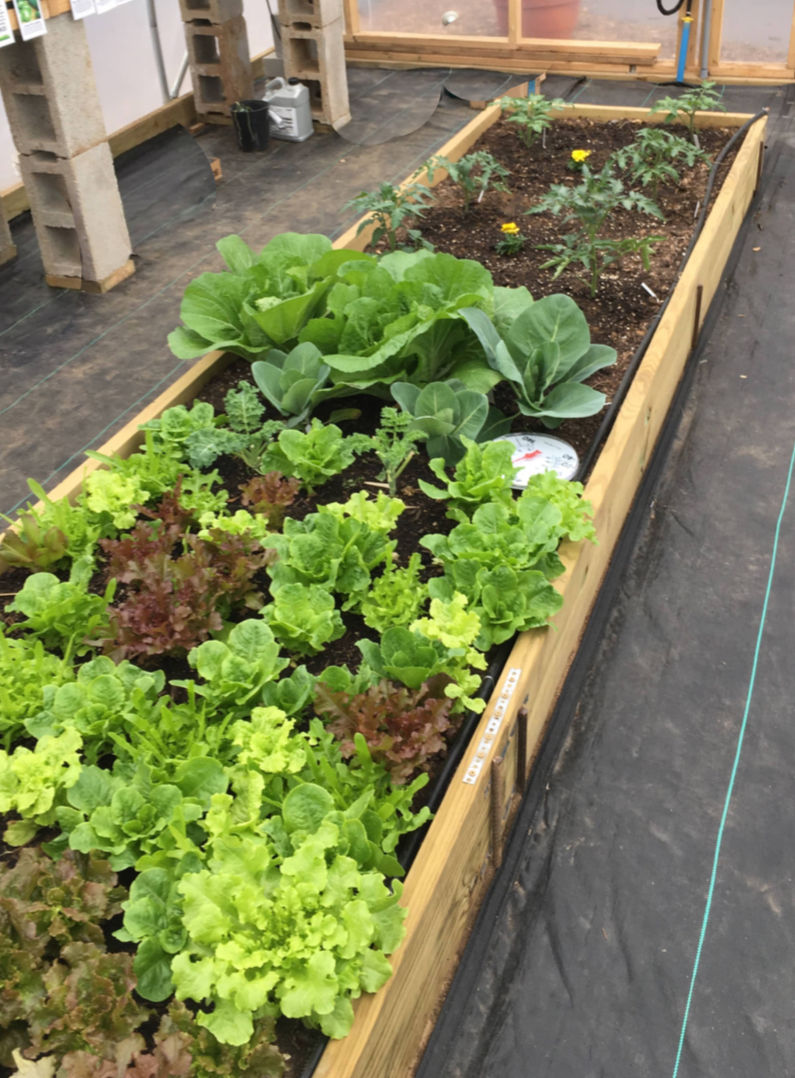
It helps to think of a bed in sections rather than as one unit — dedicate a strip to your succession crop so you can pull and replant one section at a time without disturbing everything else. If you're clearing sections as you go, How to Transition Your Greenhouse Beds for Fall Crops covers how to clean out and refresh a bed properly before the next round goes in.
A Few Final Thoughts
Succession planting for a continuous fall harvest isn't about doing more work — it's about spreading the same amount of work out so you're never stuck with either a huge glut or an empty bed. Pick a couple of crops, get a simple rhythm going, and you'll have something coming in all fall long.
If you want help planning out a succession schedule for your specific setup, give us a call or shoot us an email — we answer our own phones, and we're happy to help.
Happy growing!


Comments